- December 16, 2025
- Comments Off on Advanced Aviation Photography Techniques
- Posted by Aviation_Photographer
- Photography
Advanced Aviation Photography Techniques
Why Advanced Techniques Matter
Once you’ve learned to expose correctly, compose cleanly, and manage basic staging, you reach a plateau where most photographers stop progressing. But aircraft photography, interiors, exteriors, lifestyle sequences, ramp work, and twilight hero shots — demands a level of control far beyond traditional commercial photography.
This guide explores the deeper technical layers that define elite aviation imagery: lighting discipline, reflection control, operational awareness, and the workflows professionals use to deliver consistent, luxury-grade results.
1. Mastering Aircraft Interior Lighting
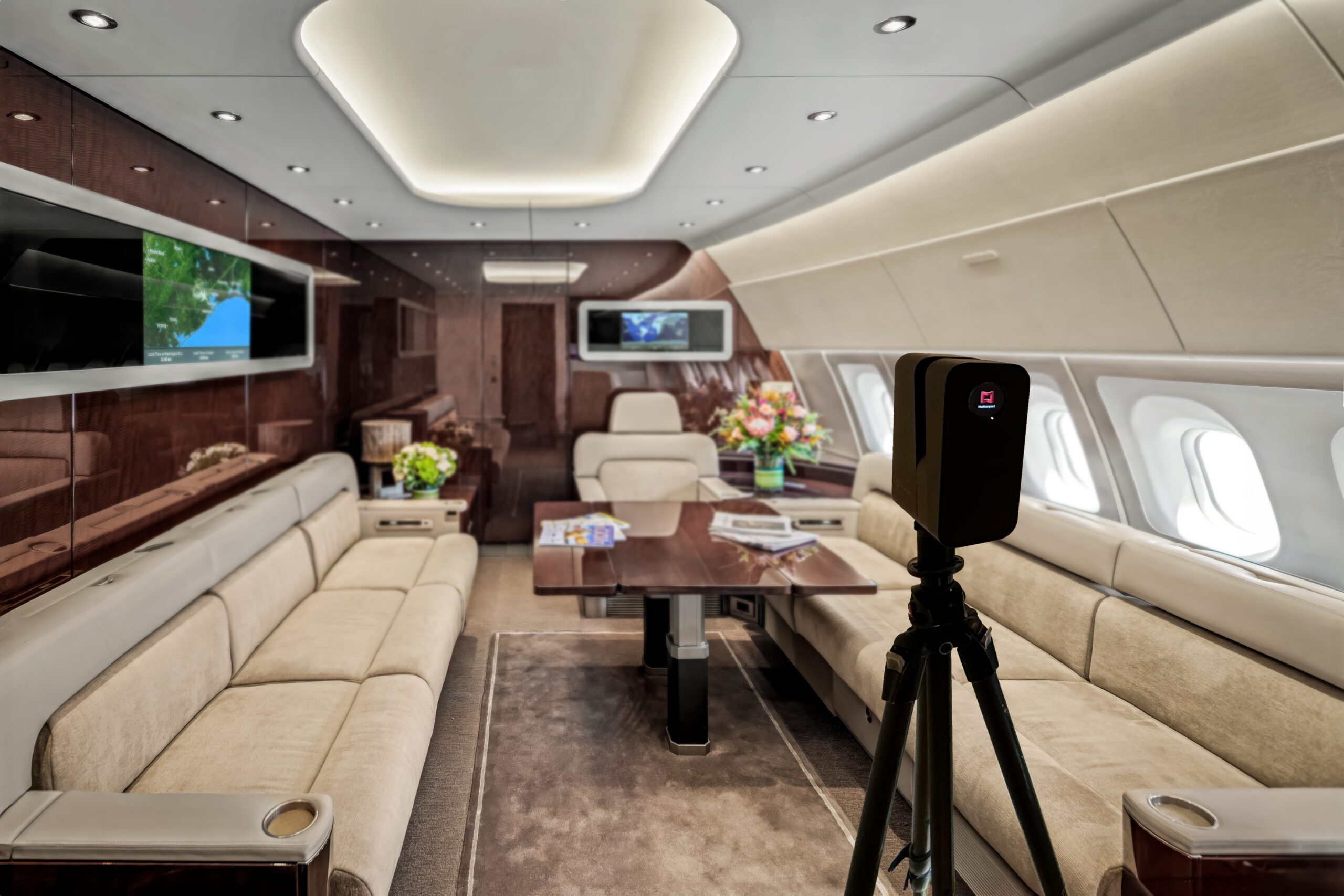
Aircraft interiors are a physics challenge: reflective veneers, glossy stone, leather seating, curved walls, mixed LEDs, and extremely tight aisles. Most photographers “wing it.” Professionals engineer the light.
One of the main pain points I face is the strip lights. These can vary in color, intensity, and power… and that’s if you are lucky enough they all turn on.
aviation photography, aircraft photography tips, private jet photography, aviation interior photography, aviation lifestyle photography, aircraft lighting techniquesYour job is to eliminate mixed color temperatures, shape light to avoid spill, and maintain even exposure across multi-zone cabins. Each decision affects the next.
- Neutralize mixed lighting: control galley LEDs, sconces, and accent lighting.
- Shape strobes, don’t just fire them: bounce, flag, and directionalize your beams.
- Control spill: duvateen, light mods (I use Magmod), and directional modifiers are essential.
- Think in zones: forward cabin, mid cabin, aft cabin, lav, galley.
Master interior lighting and you instantly separate yourself from 90% of aviation shooters.
2. Exterior Aircraft Lighting & Hero Shot Discipline
A premium exterior jet image is not an “airport snapshot.” It’s a controlled, intentional composition that conveys presence, stance, and luxury.
Most beginners fail because they rely on harsh midday sun and wide lenses. Professionals rely on:
- Golden hour and twilight: the ultimate aviation lighting window.
- Telephoto compression: preserves the aircraft’s shape and prestige.
- Three-point perspective control: no leaning verticals, ever.
- Supplemental lighting: subtle strobe shaping on twilight exteriors.
A well-executed hero shot is a sales asset, not just a photograph.
3. Reflection Control: The Defining Skill of Aviation Interior Photography
Aircraft interiors are reflective from every angle: veneers, stone, lacquer, aluminum, window trim, even polished leather. If you can’t control reflections, you can’t create luxury aviation imagery.
- Flags and duvateen to block unwanted bounce
- Precise strobe positioning to hide in predictable reflection paths
- Polarizers used selectively, never aggressively
- Understanding how curved surfaces multiply reflections
The rule: If you see your light source, the shot isn’t ready.
4. Twilight Ramp Photography; The Highest-Value Exterior Technique
Twilight is the most coveted exterior look in business aviation. It elevates the aircraft, creates editorial emotion, and aligns with luxury aviation marketing.
But the window is short, often 7–12 minutes. Your workflow has to be perfect long before the sky reaches peak color.
- Stage the aircraft before civil twilight begins
- Identify shadows, clutter, and ramp traffic early
- Frame both “hero” sides of the aircraft
- Use low-output strobes to lift dark wing roots or underbelly tones
This is why twilight sessions are a premium add-on, most photographers can’t execute them.
5. Aviation Workflow Awareness, The Hidden Half of the Job
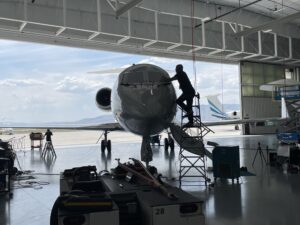
Half of aviation photography is understanding aviation operations. Shoots unfold around fueling, towing, cleaning, dispatch windows, ground crew activity, and FBO restrictions.
To work successfully airside, you must understand:
- Escort procedures & safety zones
- GPU placement and tug operations
- Ramp traffic patterns and FOD awareness
- Crew timelines and MX windows
- Passenger confidentiality and brand expectations
Knowing the environment is as important as knowing the camera.
6. Photographing People in Aircraft, Lifestyle Meets Aviation Discipline
Aviation lifestyle imagery requires direction, nuance, and aviation awareness. You must create natural-feeling moments without compromising safety, flow, or realism.
- Pose passengers without blocking exits
- Show authentic interaction without stiffness
- Keep crew compliant with safety and uniform standards
- Highlight brand cues; catering, amenities, service moments
The best lifestyle images feel candid, but are carefully crafted.
7. Editing for Aircraft Environments
Aviation editing requires subtlety and accuracy, veneers must stay true, windows must not look over-polarized, and reflections must be softened without flattening the scene.
- Maintain accurate wood tone and material color
- Correct mixed lighting without artificial “plastic” surfaces
- Match exposure across multi-frame cabin composites
- Preserve geometry; no distortion or stretched fuselages
Luxury aviation photography lives or dies in post-production.
8. What Separates Elite Aviation Photographers
At this level, the difference isn’t gear, it’s consistency, precision, speed, and the ability to adapt quickly inside aviation environments.
Elite photographers bring:
- Lighting mastery: especially in tight interiors
- Direction skills: for talent and crews
- Operational awareness: to stay safe and efficient on the ramp
- Brand understanding: knowing what agencies need
- Reliability: clean, consistent, luxury-grade images every time
This is the level the top aviation brands expect, and the level the market pays for.
FAQ: Advanced Aviation Photography Techniques
How do professionals light aircraft interiors without creating reflections?
Professionals use flags, duvateen, directional strobes, narrow-beam modifiers, and careful angle planning to hide the light source from reflective paths. Interior lighting is shaped zone-by-zone to maintain consistency.
What’s the best time to photograph aircraft exteriors?
Twilight is ideal for luxury aviation branding. Blue hour creates balanced ambient light, smooth gradients, and rich fuselage highlights. Many of the highest-performing aircraft images are shot during this short window.
How do you deal with mixed lighting inside private jets?
You neutralize cabin LEDs, match strobe temperature, and build controlled lighting that eliminates color contamination. This is essential for accurate veneer and leather reproduction.
What gear is essential for professional aviation photography?
Full-frame cameras, tilt-shift lenses, portable strobes, flags, duvateen, compact tripods, and a fly-ready kit for travel. Lighting control tools matter more than the camera body.
Why is operational awareness important for aviation photographers?
Aviation photography takes place on active ramps, hangars, and FBO environments. Understanding escort rules, safety zones, fueling procedures, dispatch windows, and ground support operations ensures both safety and efficiency.
How do professionals create natural-looking lifestyle images around jets?
Through careful direction, story-driven poses, aviation-aware staging, and emotional cues that help talent perform naturally. Great aviation lifestyle images feel candid but they’re designed with intent.
Final Thoughts
Aviation photography rewards discipline, consistency, and a willingness to master details most photographers never think about. If you commit to learning lighting control, reflection management, workflow awareness, and storytelling, you can rise quickly in a competitive industry.
These techniques are what allow luxury brands, aircraft operators, and agencies to trust you with their aircraft and their reputation.
Author: Dave Koch, International aviation photographer specializing in BBJs, ACJs, luxury charter aircraft, and high-end commercial aviation campaigns worldwide.
Views: 12
- aircraft lighting techniques
- aircraft photography tips
- aviation interior photography
- aviation lifestyle photography
- Aviation Photography
- private jet photography