- December 2, 2025
- Comments Off on How to Become a Professional Aviation Photographer
- Posted by Aviation_Photographer
- Uncategorized
How to Become a Professional Aviation Photographer
What Separates Professional Aviation Photographers from Hobbyists
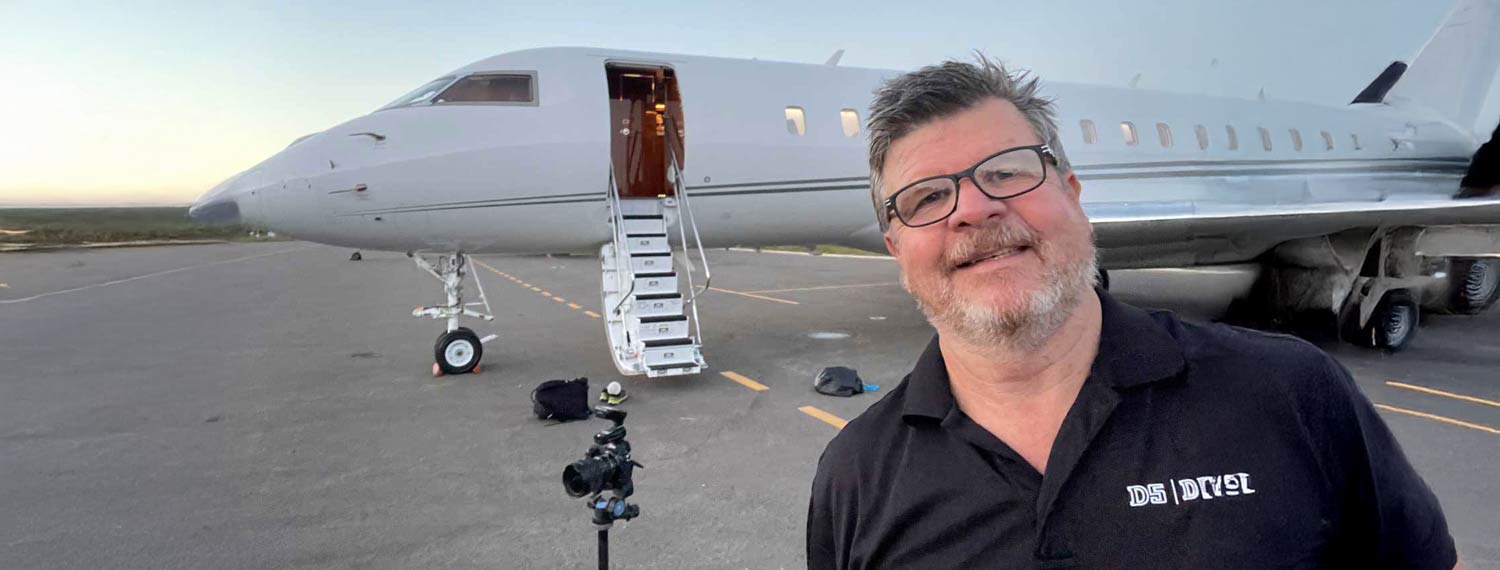
by Dave Koch, Aviation Photographer
See my portfolio at https://aviationaircraftphoto.com
So you’re thinking about getting serious with aviation photography…
Maybe you’ve shot some ramp photos. Maybe your friends say you’ve got a good eye. Maybe you’ve even photographed a couple of charter aircraft. But what really makes the difference between a weekend shooter and someone trusted to capture multi-million-dollar aircraft?
In Part 1 of this series, I explained how demanding this field is… and why it takes years of experience to reach a professional level. Now let’s dig into the defining traits, technical skills, and equipment choices that set pros apart from casual shooters.
What is professional aviation photography? Aviation photography at a professional level involves capturing private jets, business aircraft, and charter planes for marketing, branding, and sales purposes. Unlike hobbyist “ramp shots,” it demands technical lighting, distortion-free interior capture, post-production excellence, and consistent delivery for clients like brokers, charter operators, FBOs, and jet owners.
What Is Aviation Photography? (And Why It’s Not What Most People Think)
When people hear “plane photographer,” many think of hobbyists hanging out at airport fences, snapping pictures of landing airliners. Others imagine drone enthusiasts capturing aerial sweeps of landscapes or buildings. But commercial aviation photography- at a professional, paid level- is an entirely different discipline.
Professional aviation photography includes capturing high-end private jets and large business aircraft (BBJs, ACJs, long-range business jets), stills and video for marketing, interiors, exteriors, aerial photos, ramp shots, 3D virtual tours, and more. What I do- shoot luxury aircraft for charter companies, brokers, FBOs, and owners- sits at the intersection of luxury real estate photography, high-end interior photography, and technical aerospace photography.
Here’s the rub: you don’t get hired because you “like planes.” You get hired because your images communicate luxury, precision, atmosphere, storytelling and sell the aircraft.
In that sense, aviation photography is much more akin to shooting mansions, super yachts, or high-end real estate than tourist snapshots from the tarmac. And in the practical, it needs wholly different skill sets, temperament and processes.
Why “Just Having a Camera” Doesn’t Cut It
I often hear, “I already take good photos, I’ll just shoot some planes.” But in my experience, that’s not how this works. Just because your friends say your photos look nice, or because you own what you think is a capable camera doesn’t mean you’re ready for professional aviation photography. In fact, most of the time, what amateurs consider a “capable” setup wouldn’t even make it through a full shoot. The gear I use for exteriors is completely different from what I use for interiors and that’s not even touching on air-to-air, which is another level altogether. Each type of aircraft photography demands specific tools, deep technical understanding, and the experience to know when and how to use them. It is not just throw a 14-24 on a body and go.
In the past, photographers learned this craft through years of apprenticeship with experienced pros. Now- with digital cameras and social media- everyone thinks they’re a “photographer.” But the real craft is deeper: knowing (and understanding) light, space, composition, storytelling. Realizing that shooting a “14-foot tube”- the tight cabin of a Gulfstream, Challenger, or Gulfstream-sized jet- is far harder than photographing a sprawling mansion, or your wife standing over the Grand Canyon .
Ironically, big mansions or yachts are easier to light: they usually have high ceilings, large rooms, and space to set up lighting gear. In contrast, cabins are cramped, narrow, and unforgiving. Without real experience shooting tight interiors, you simply won’t know how to light, stage, and compose for these constraints.
Pros Control Light, No Matter the Environment
Aviation interiors are brutal. Tight quarters, reflective finishes, mixed lighting temperatures… all within a space barely wide enough to turn around.
A hobbyist might grab a handheld shot at ISO 6400 and hope for the best. A pro brings lights, knows exactly where to place them, and controls every shadow and highlight.
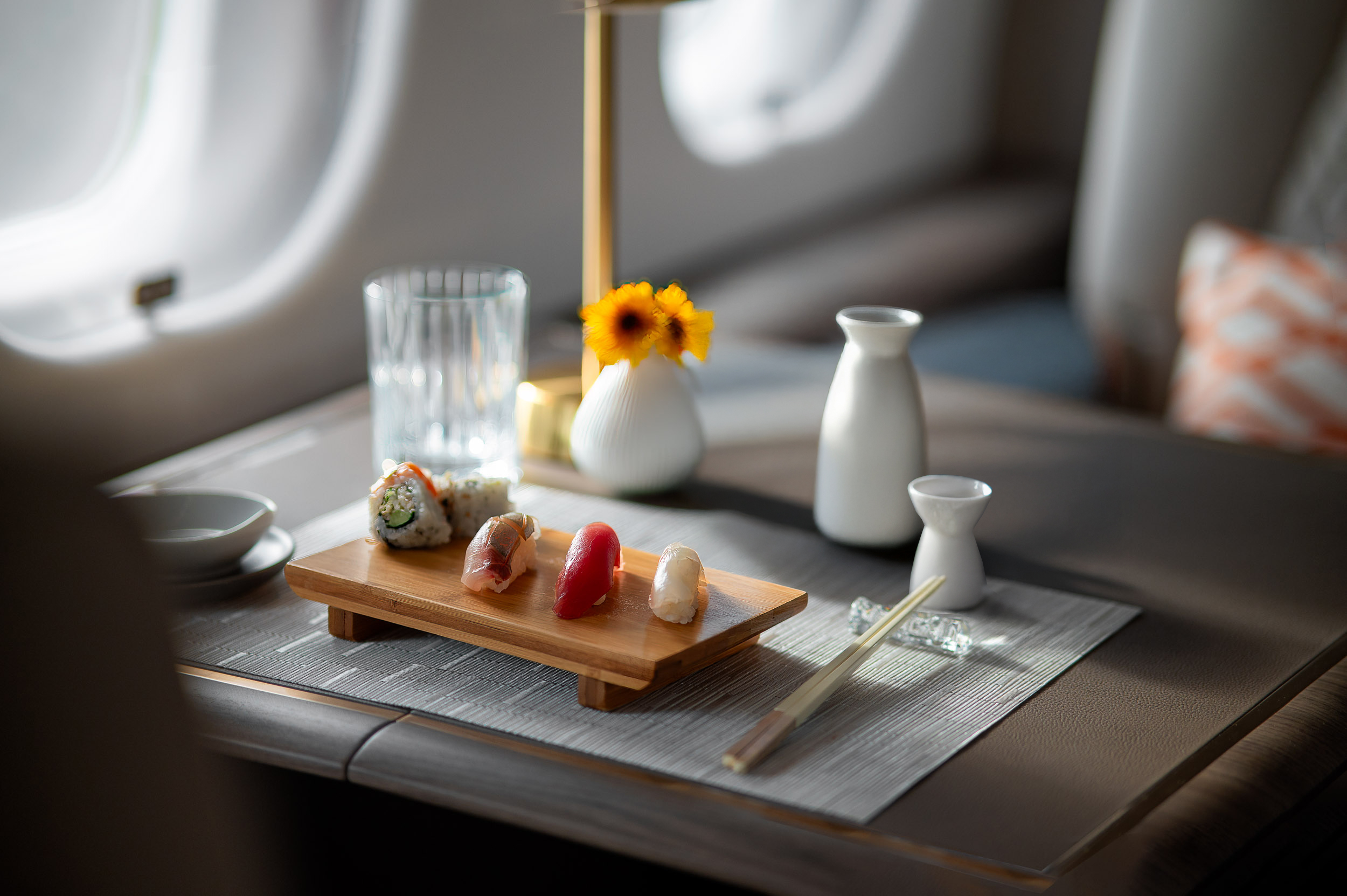
Professionals know that lighting defines mood, luxury, and emotion. It’s not about blasting everything evenly, it’s about crafting visual atmosphere, with just the right amount of highlight roll-off, window balance, and contrast.
Pros Master Composition in Tight Spaces
 Perspective and alignment matter more in an aircraft than in almost any other environment. You can’t just “step back” to reframe. Often, you’re pressed up against a bulkhead with inches to work with.
This is where tilt-shift lenses become essential. I regularly use:
- 24mm Tilt-Shift for most interior cabin shots
- 17mm Tilt-Shift for lavatories, galleys, or extremely tight spaces
These tools let me correct verticals, eliminate distortion, and shape geometry in-camera, not just in post. Better, higher-quality images matter. If they could do it with an iPhone, they wouldn’t be hiring me.
Pros Think Like Storytellers
You’re not just taking pictures of jets. You’re selling a lifestyle.
Each image should convey space, luxury, comfort, and mobility. A single wide-angle cabin shot can make a viewer imagine themselves sipping champagne at 40,000 feet.
That means:
- Strategic lens choices
- Carefully curated vignettes
- Selective depth of field
- Intentional composition that guides the viewer’s eye
Hobbyists capture what’s in front of them. Pros create scenes that evoke desire.
Pros Never Stop Learning
 Lighting evolves. Techniques improve. Aircraft change.
I’ve found that shooting BBJs (essentially flying mansions) helped me evolve my lighting for smaller jets. The lessons I learn in every shoot feed into the next one.
If you’re not constantly refining, you’ll stagnate. Real professionals push themselves with every aircraft, every single time.
Pros Sweat the Small Stuff
Pros anticipate details: how the leather reflects light, how the wood grain catches the shadows, what to do with a seatbelt (a pro KNOWS how to display a seatbelt, and there is only one proper way to do it).
You won’t always get it right in camera but you’ll know how to fix it in post. What you won’t do is deliver it uncorrected. Shooting for the edit is something you just get used to over time, it can’t be taught.
Mistakes happen. Pros own them, correct them, and never deliver less than what’s promised.
Pros Treat It Like a Business
Showing up on time. Communicating clearly. Delivering on schedule. Protecting client confidentiality.
This isn’t Instagram. It’s business. Your photos might be used in global campaigns or multi-million-dollar listings. Treat your work- and your clients- accordingly.
Paying Your Dues, And Then Some
Don’t expect to get hired for luxury jets right out of the gate. Think of your first 2, 3, or 5 years as “boot camp.” Real-world clients don’t care about your Instagram congrats or how “nice” your friend says your photos are. They care about reliability, consistency, and results.
I tell newcomers in real estate photography: it might take five years just to reach a point where you’re consistently working and making a living. In a niche like aviation, the timeline is often longer and that clock doesn’t start ticking until you’re reliably producing high-level, consistent work. The hard truth? If you’re still wondering whether you’re ready, you’re probably not. You’ll know you’re getting close when that question stops crossing your mind entirely.
The moment you stop asking “Am I ready?” and start shooting because you simply can’t not shoot, that’s when you’re near the turning point.
Talent ≠ Success… But Drive & Opportunity Matter
Sure, talent helps. But without opportunity, drive, and discipline, you won’t get far. Saying “I want to shoot aircraft” is not enough. You must go out, hustle, shoot, build a portfolio. Reach out to friends, contacts, even strangers. Ask to shoot small jets, charter aircraft, whatever you can. Put in the work. Sweat in the tube, as I call it.
Demand Is Growing & Business Jet Market Is Booming
The world fleet of private and business jets is substantial… and growing. As of 2025, estimates place the global business jet fleet at around 24,000 to 25,000 aircraft, with the U.S. alone owning roughly 15,000 of them.
Manufacturers are ramping up deliveries: 2025 saw hundreds of jets delivered, and forecasts from multiple aviation industry reports predict about 8,500 to 8,700 new business jets over the next decade, worth hundreds of billions of dollars.
That growth translates into more demand for high-end photography: exterior ramp photos, interior marketing photography, 3D tours, video, and aerial imagery. As one recent piece said: “A well-executed photograph … evokes emotion, tells a story, and conveys trust.”
In short: there are more jets than ever. Those jets need marketing. And good photos sell them.
Photography Matters More Than Many Realize
In business aviation marketing, images are far more than decoration. A poorly lit cabin, flat exterior shot, or boring perspective can kill a listing or charter ad.
I know from experience: clients don’t buy jets because of specs; they buy them because the photos make the aircraft look and feel luxurious. The right image can communicate comfort, style, exclusivity, and safety. The wrong one whispers “cheap charter” or “cramped.” That’s why many operators are moving away from stock images or amateur “ramp shots”, opting instead for professional, bespoke photography that reflects the quality of their brand.
Final Thoughts
To me, this is the big leagues. There’s no time for shortcuts. There’s no room for guesswork. I get paid a lot to do what I do, and that’s because clients know I deliver.
It took me years of shooting homes, pushing boundaries, and evolving my craft to reach this level. You can do it, too. But you’ll need more than talent. You’ll need grit, consistency, and relentless drive. If that sounds like you? Start now.
Because the jets are out there. And someone needs to capture them… the right way.
In the next post, we’ll dig into the technical side: gear choices, lighting setups, tilt-shift applications, and how to build a portfolio that actually gets you hired. This isn’t about looking like a pro… it’s about delivering like one.
What skills are required to become a professional aircraft photographer?
Professional aircraft photography requires mastery of lighting, precise lens work, and the ability to maintain correct geometry in extremely tight, reflective interiors. On top of the technical work, you need communication skills, fast workflow efficiency, and discretion especially when shooting for private owners and charter operators. It’s closer to luxury interior photography than outdoor planespotting.
What gear do professional jet photographers use?
Most pros use full-frame camera bodies, tilt-shift lenses (typically 17mm and 24mm), portable strobes or continuous lighting, and high-resolution sensors that handle mixed LED and daylight sources. The goal is clean geometry, controlled reflections, and color-accurate cabin lighting.
How long does it take to go pro in aviation photography?
Most specialists spend 5+ years developing the skillset needed to deliver commercial-grade aircraft interiors. Many come from architectural or real-estate photography before transitioning into aviation because the techniques overlap more than people expect.
Author: Dave Koch: International aviation photographer specializing in BBJs, ACJs, and high-end charter aircraft across the U.S., Europe, and the Gulf region.
Views: 82